Forging Metal
by Hand
An overview of traditional blacksmithing tools, hand-forging methods, and the heritage of craft ironwork across Canada.
Core Topics
What This Site Covers
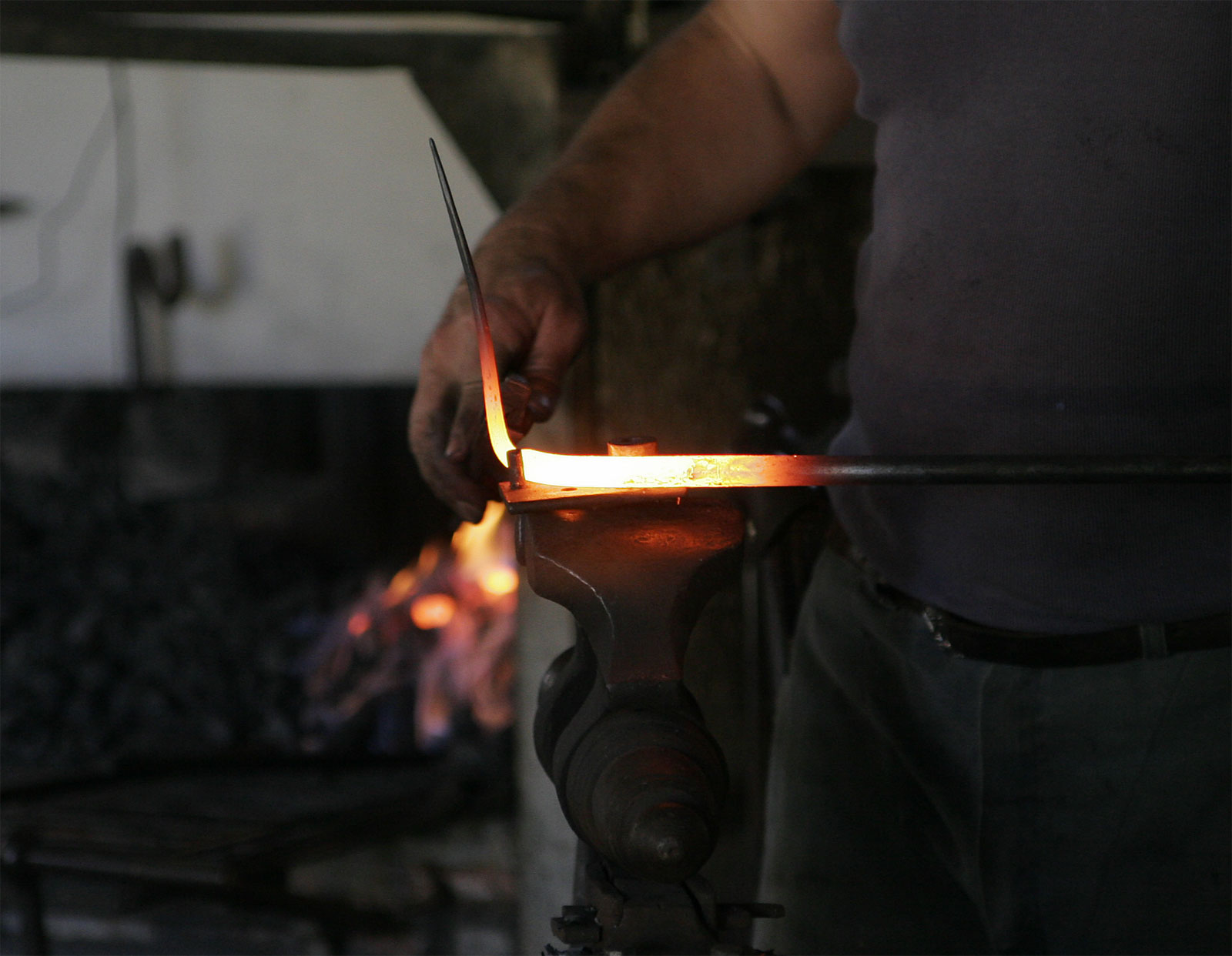
The pages here document the physical tools, shaping methods, and Canadian historical context of hand forging — without commercial framing.
Forging Tools
Anvils, cross-peen hammers, tongs, swage blocks, hardies, and pritchel holes — each tool in the blacksmith's shop has a specific function in shaping hot metal.
Shaping Techniques
Drawing out, upsetting, bending, punching, and fire-welding are the foundational hand-forging operations that predate industrial rolling mills by centuries.
Canadian Heritage
From frontier smithies on the Prairies to preserved forges in Barkerville, BC, blacksmithing shaped the infrastructure of early Canadian settlements.
Articles
Recent Guides
Three topic-focused articles covering tools, techniques, and Canadian history.

Essential Forging Tools Used in Traditional Blacksmithing
A systematic look at anvils, hammers, tongs, hardies, and other hand tools — with notes on how each is used at the forge.
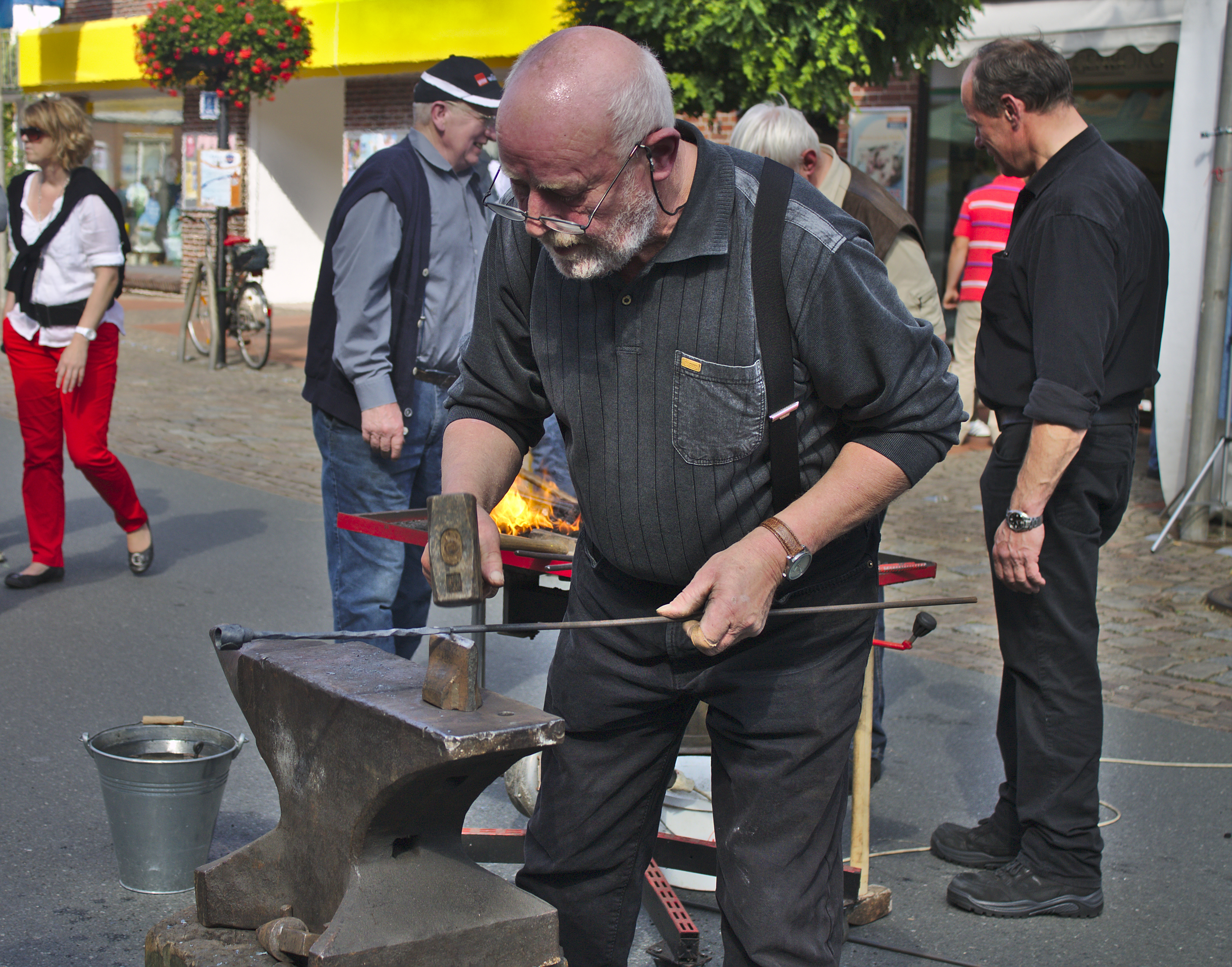
Shaping Metal by Hand: Core Hand-Forging Techniques
Drawing out, upsetting, punching, bending, and fire-welding explained with practical detail on heat ranges and hammer mechanics.

Blacksmithing in Canada: From Frontier Forges to Heritage Crafts
How itinerant and town smiths supplied iron goods across the Prairies, Atlantic colonies, and Pacific mining towns — and what survives today.
Why Wrought Iron
Material Matters
Traditional blacksmithing relied on wrought iron — a fibrous, low-carbon iron with slag inclusions that gave it a grain structure not unlike wood. The material responded predictably to hammer blows within a narrow heat window, roughly 900–1200 °C for most working operations.
Mild steel largely replaced wrought iron in the twentieth century. It is less fibrous and more uniform, making it easier to source but slightly different in feel under the hammer — particularly when welding.
High-carbon steel, used for cutting edges and springs, requires controlled heat treatment: hardening in water or oil, followed by tempering in a lower-temperature oven or fire to reduce brittleness.

Contact
Send a Message
Questions about the content, corrections, or general correspondence — use the form below.